
Antique nightstand furniture with claw feet evokes a sense of timeless elegance and craftsmanship. These pieces, often crafted from hardwoods like mahogany or cherry, represent a bygone era of meticulous detail and skilled artistry. The distinctive claw feet, a hallmark of many antique styles, add a touch of ornate sophistication, transforming a simple bedside table into a statement piece.
Their history often reflects changing tastes and technological advancements in furniture making, offering a fascinating glimpse into the past.
From the delicate curves of Victorian designs to the bolder lines of Art Deco styles, antique nightstands with claw feet showcase a remarkable diversity of aesthetic choices. Their enduring appeal lies not only in their beauty but also in their potential to add character and warmth to any bedroom setting. Many are highly sought after by collectors and interior designers alike, appreciating their unique history and enduring style.
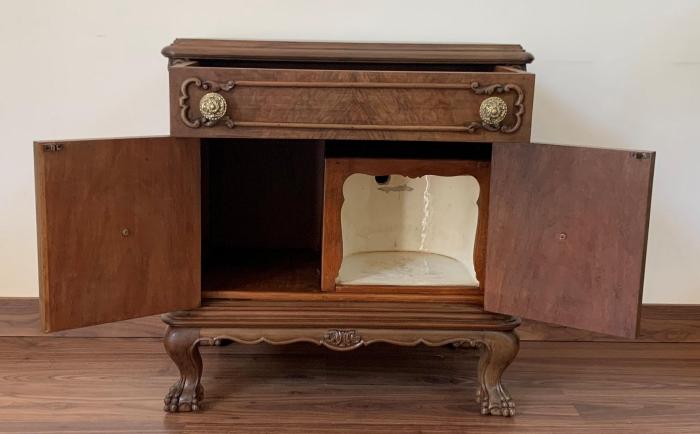
Antique nightstands, particularly those adorned with elegant claw feet, represent more than just bedside storage; they are captivating pieces of history, imbued with artistry and craftsmanship. These charming pieces can transform a bedroom from ordinary to extraordinary, adding a touch of vintage elegance and undeniable character. This comprehensive guide delves into the world of antique nightstands with claw feet, exploring their history, styles, materials, restoration, and value, equipping you with the knowledge to appreciate and perhaps even acquire one of these beautiful treasures.
A Glimpse into History: The Evolution of the Nightstand
The concept of a dedicated bedside table evolved gradually. Early forms were simple stools or small chests placed conveniently near the bed. However, as furniture design advanced, the nightstand emerged as a distinct piece, often reflecting the prevailing styles of the era. The incorporation of claw feet, a decorative element popularized during the 18th and 19th centuries, significantly enhanced their aesthetic appeal.
Different periods and styles brought unique characteristics to nightstand design, influencing the materials, ornamentation, and overall aesthetic.
Key Periods and Styles:, Antique nightstand furniture with claw feet
- Queen Anne (early 18th century): Characterized by cabriole legs (curved legs that often end in claw feet), ornate carvings, and a sense of graceful asymmetry.
- Chippendale (mid-18th century): Showcased a more robust style, often featuring claw-and-ball feet, intricate carvings, and a blend of Gothic and Rococo influences.
- Hepplewhite (late 18th century): Known for its elegant lines, tapered legs (sometimes with claw feet), and delicate inlay work.
- Sheraton (late 18th – early 19th century): Emphasized clean lines, simple forms, and often incorporated reeded or tapered legs, sometimes with claw feet.
- Victorian (mid-19th century): Displayed a more ornate and elaborate style, often featuring dark, richly colored woods, intricate carvings, and a variety of leg styles, including claw feet.
Materials and Construction: Understanding the Craftsmanship
Antique nightstands with claw feet were typically crafted from high-quality hardwoods, reflecting the skill and artistry of the period. Common materials include:
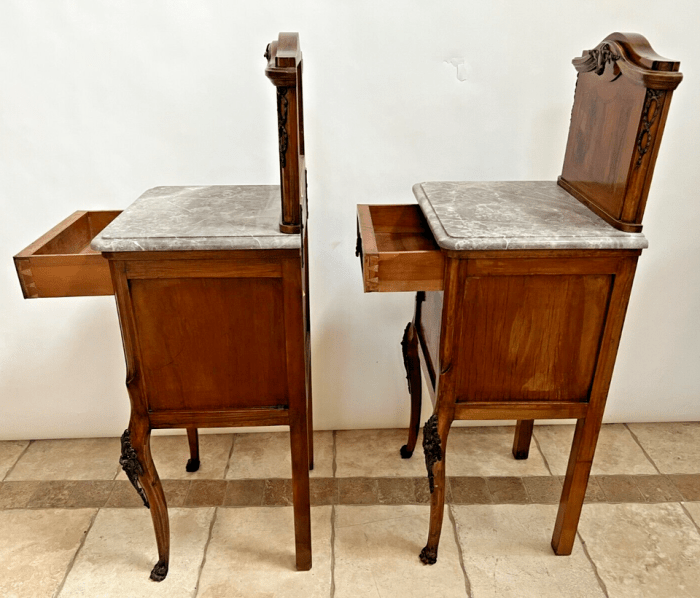
- Mahogany: Highly prized for its rich reddish-brown hue and durability.
- Walnut: Appreciated for its deep brown color and fine grain.
- Cherry: Known for its warm reddish-brown tones and smooth texture.
- Oak: A strong and durable wood, often used for more rustic styles.
The construction techniques employed in antique furniture were meticulous. Dovetail joints, mortise and tenon joints, and other traditional methods ensured strength and longevity. The claw feet themselves were often intricately carved, showcasing the craftsman’s skill and attention to detail. Examine the joinery and the quality of the wood to assess the authenticity and quality of an antique nightstand.
Identifying Authentic Antique Nightstands: Spotting Fakes and Reproductions
The antique furniture market unfortunately includes many reproductions and fakes. To ensure you are acquiring a genuine antique, consider these factors:
- Construction: Examine the joinery – hand-cut dovetails are a strong indicator of age and authenticity.
- Wood: The type of wood and its age can be determined through examination and potentially professional appraisal.
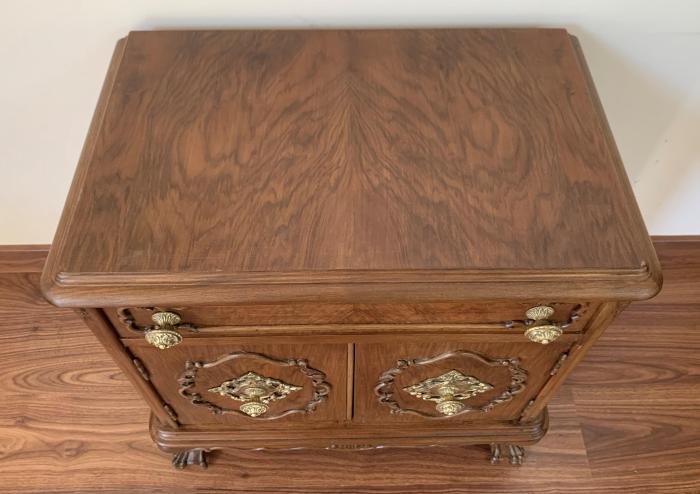
- Hardware: Original hardware, such as knobs, pulls, and hinges, often bears hallmarks of the period.
- Finish: Antique finishes often show signs of age and wear, unlike the perfect uniformity of modern finishes.
- Provenance: If possible, obtain documentation or information about the nightstand’s history and previous owners.
Restoring and Maintaining Your Antique Nightstand
Owning an antique nightstand is a privilege, but it requires careful maintenance and restoration. Gentle cleaning with appropriate furniture polish is essential. Avoid harsh chemicals or abrasive cleaners. For significant damage or repairs, consult a professional antique furniture restorer. They possess the expertise to repair cracks, restore finishes, and address other issues without compromising the piece’s integrity.
The Value of Antique Nightstands with Claw Feet: Antique Nightstand Furniture With Claw Feet
The value of an antique nightstand with claw feet depends on several factors, including its age, style, condition, materials, and provenance. Rare and highly sought-after pieces can command significant prices. Appraisals from reputable antique dealers or auction houses can provide a more accurate valuation. Online resources and auction records can also offer insights into market values for similar pieces.
Frequently Asked Questions (FAQ)
- Q: How can I clean my antique nightstand? A: Use a soft, dry cloth to dust regularly. For cleaning, use a specialized antique furniture polish and apply it sparingly.
- Q: How can I tell if a nightstand is truly antique? A: Look for hallmarks of age, such as wear and tear, hand-crafted joinery, and original hardware. A professional appraisal can confirm authenticity.
- Q: What are claw feet made of? A: Claw feet are typically carved from the same wood as the rest of the nightstand. Sometimes, less expensive pieces might use a different material for the feet.
- Q: How much is an antique nightstand worth? A: Value varies greatly depending on age, condition, style, and materials. Professional appraisal is recommended.
- Q: Where can I find antique nightstands for sale? A: Antique shops, auction houses, online marketplaces (like eBay), and antique shows are good places to start your search.
Finding Your Perfect Antique Nightstand
Acquiring an antique nightstand with claw feet is a rewarding experience. Take your time, research different styles, and carefully inspect potential purchases. Remember, a genuine antique is an investment that will add beauty and character to your home for generations to come.
Call to Action (CTA)
Start your search for your dream antique nightstand today! Explore online marketplaces, visit local antique shops, and don’t hesitate to seek expert advice when needed. The perfect piece awaits, ready to add a touch of timeless elegance to your bedroom.
General Inquiries
What are claw feet made of?
Claw feet are typically carved from the same wood as the rest of the nightstand, though sometimes metal accents are used.
How do I clean an antique nightstand with claw feet?
Use a soft, dry cloth to dust regularly. For more thorough cleaning, use a slightly damp cloth and a mild furniture polish, avoiding harsh chemicals.
How can I identify the age of my antique nightstand?
Look for maker’s marks, construction techniques, and stylistic elements. Consulting an antique appraiser is recommended for accurate dating.
How much are antique nightstands with claw feet worth?
Value depends heavily on age, condition, wood type, and style. Professional appraisal is necessary for accurate valuation.