
Rare accent table furniture with marquetry detail represents a fascinating intersection of artistry and craftsmanship. These pieces, often handcrafted from exquisite materials and featuring intricate marquetry designs, are more than just functional furniture; they are works of art that elevate any interior. The meticulous detail in the marquetry, the choice of woods, and the overall design speak to a dedication to quality and aesthetic excellence rarely found in mass-produced items.
Understanding their history, construction, and value is key to appreciating these unique pieces.
The appeal of these tables lies not only in their beauty but also in their historical significance. Many examples showcase techniques passed down through generations of skilled artisans, reflecting diverse cultural influences and stylistic periods. The rarity of such pieces often stems from limited production, the high skill level required for their creation, and the inherent fragility of some marquetry techniques.
This makes each table a unique and valuable addition to any collection.
Accent tables, those often-overlooked pieces of furniture, can be the unsung heroes of interior design. They add a touch of elegance, functionality, and personality to any room. But when those accent tables boast rare and exquisite marquetry detail, they transcend mere functionality, becoming statement pieces of art and highly sought-after collectibles. This article delves into the world of rare accent tables, focusing specifically on the intricate artistry of marquetry, exploring their history, value, and how to identify genuine pieces.
Understanding Marquetry: The Art of Intarsia
Marquetry is a highly skilled craft involving the art of inlaying small pieces of veneer—typically wood, but sometimes other materials like mother-of-pearl, ivory, or bone—to create intricate designs and patterns on a surface. Unlike parquetry, which uses larger pieces of wood in geometric patterns, marquetry employs smaller, precisely cut pieces arranged to form complex images or abstract designs. The precision and patience required make marquetry a time-consuming and expensive process, contributing significantly to the value of furniture featuring this technique.
Types of Marquetry Wood, Rare accent table furniture with marquetry detail
The choice of wood significantly impacts the final aesthetic and value of the marquetry. Popular choices include:
- Rosewood: Known for its rich reddish-brown hues and beautiful grain.
- Ebony: Valued for its deep black color and dense texture.
- Mahogany: Offers a range of reddish-brown tones and a striking grain.
- Maple: Provides a light, creamy background for contrasting veneers.
- Other Exotic Woods: Many rare and exotic woods are used, adding to the uniqueness and value of the piece.
Identifying Authentic Marquetry
With the increasing popularity of antique and vintage furniture, it’s crucial to be able to identify authentic marquetry. Look for:
- Precision of the inlay: The pieces should fit together seamlessly, with minimal gaps or inconsistencies.
- Complexity of the design: Intricate and detailed designs often indicate higher skill and value.
- Variety of woods: The use of a wide range of woods with contrasting colors and textures enhances the visual appeal.
- Age and wear: Authentic antique pieces will show signs of age and wear, which can be assessed by an expert.
- Maker’s marks or stamps: These can help to authenticate the piece and determine its origin and maker.
Rare Accent Table Styles Featuring Marquetry
Marquetry has been used to adorn various accent table styles throughout history. Some examples include:
1. Victorian Accent Tables
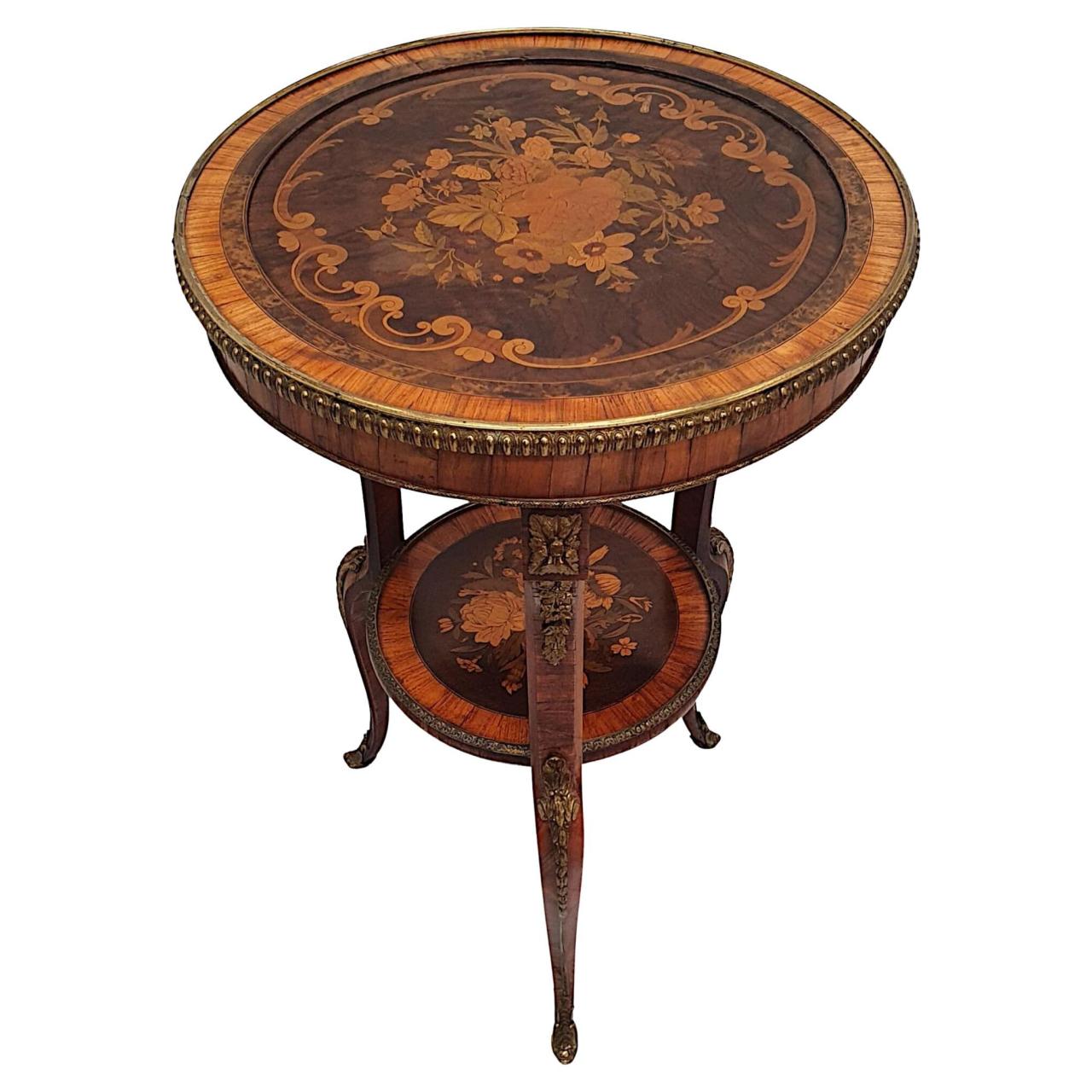
Victorian-era accent tables often feature elaborate marquetry designs, frequently incorporating floral motifs, geometric patterns, and scenes from nature. These pieces are highly collectible and can command significant prices.
2. Art Deco Accent Tables
Art Deco marquetry is characterized by its geometric shapes, bold lines, and use of contrasting colors. These tables often feature stylized floral patterns or abstract designs, reflecting the design principles of the Art Deco movement.
3. French Provincial Accent Tables
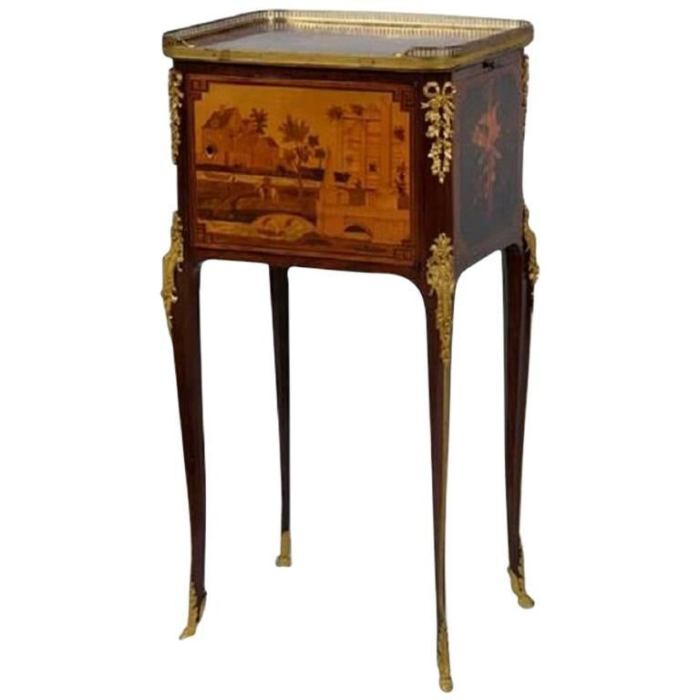
French Provincial accent tables often incorporate marquetry depicting pastoral scenes, floral arrangements, or intricate arabesque patterns. These tables are known for their elegant and refined aesthetic.
4. Mid-Century Modern Accent Tables
While less common than in earlier periods, some mid-century modern accent tables incorporated marquetry, often using simpler geometric designs and a more restrained color palette compared to earlier styles.
The Value of Rare Accent Tables with Marquetry
The value of a rare accent table with marquetry is determined by several factors, including:
- Rarity of the piece: Unique designs or makers significantly increase value.
- Age and condition: Well-preserved antique pieces are more valuable than damaged or restored ones.
- Type of wood and marquetry technique: Rare and exotic woods and intricate marquetry techniques increase value.
- Provenance: Knowing the history and ownership of the piece can enhance its value.
- Market demand: The current market demand for specific styles and periods influences price.
Appraisals from reputable antique dealers or auction houses are essential for accurate valuation.
Caring for Your Marquetry Accent Table
Proper care is crucial to preserve the beauty and value of your marquetry accent table. Avoid:
- Direct sunlight: UV rays can fade the veneers.
- Extreme temperature fluctuations: These can cause warping or cracking.
- Harsh chemicals: Use only gentle cleaners appropriate for wood furniture.
- Excessive moisture: Keep the table away from sources of moisture.
Regular dusting with a soft cloth and occasional polishing with a suitable wood polish will help maintain its appearance.
Frequently Asked Questions (FAQ): Rare Accent Table Furniture With Marquetry Detail
- Q: How can I tell if a marquetry table is antique? A: Look for signs of age and wear, maker’s marks, and consult with an antique expert.
- Q: What is the difference between marquetry and parquetry? A: Marquetry uses small pieces of veneer to create intricate designs, while parquetry uses larger pieces in geometric patterns.
- Q: How much is a rare marquetry accent table worth? A: Value depends on several factors, including rarity, age, condition, and market demand. Professional appraisal is necessary.
- Q: How do I clean a marquetry table? A: Dust regularly with a soft cloth and use a gentle wood cleaner as needed.
- Q: Where can I find rare marquetry accent tables? A: Antique shops, auction houses, online marketplaces, and specialized antique dealers are good places to start.
Resources
Call to Action
Ready to add a touch of rare elegance to your home? Start your search for a unique marquetry accent table today! Explore antique shops, online marketplaces, and auction houses to discover your perfect piece. Remember to consult with experts to ensure authenticity and proper care.
Detailed FAQs
What materials are typically used in marquetry?
Various woods, sometimes including ivory, mother-of-pearl, and other materials, are used depending on the design and era.
How can I authenticate a rare accent table?
Consult with an antique appraiser or furniture expert for professional authentication. Examine hallmarks, construction techniques, and materials for clues.
How should I care for a marquetry table?
Avoid direct sunlight and excessive moisture. Dust regularly with a soft cloth. Use specialized furniture polish appropriate for the materials used.